You run a Shopify store or a lean online shop, and you know a rival dropped their price this morning — but you found out three days too late. That gap between their move and your response is where competitor price monitoring for online shops quietly bleeds your margin. You don’t have a full-time analyst refreshing tabs all day, and you shouldn’t need one.
This is the same pattern that reshapes any busy business: software watches a repetitive, high-volume task 24/7 and acts on it — so you don’t have to. For e-commerce, that task is checking competitor prices. Here is how automation handles it, what the numbers actually show, and where the pitfalls are.
The Real Cost of Checking Prices by Hand
Manual price checks fail for one reason: timing. Dynamic pricing algorithms can react to a competitor’s move within minutes. A person updating prices once a week leaves money on the table between every update.
That lag matters because the field is still wide open. As of 2024, only about 15–20% of retailers have any dynamic-pricing capability (McKinsey-cited figures), even though roughly 63% use predictive analytics to inform pricing (Wharton, 2025). Translation: most of your competitors are still guessing. Early movers get the edge.
Manual monitoring also caps how much you can consider. A human juggles one variable at a time. AI-based systems weigh up to 60 variables at once — competitor price, stock levels, demand, channel, and more. You simply cannot match that with a spreadsheet.
What Automation Actually Delivers
The upside is measured, not hypothetical. A 2023 McKinsey report found e-commerce companies saw a 5–15% increase in conversion rates after adopting smarter pricing. A Harvard Business Review study reported an average 25% boost in profit margins. Separately, 7Learnings (2024) found retailers raise profits by around 10% on average with AI-based pricing.
The market backs the trend. Global spending on pricing software reached roughly USD 3.3 billion in 2024. The AI-driven price optimization market alone is projected to grow from USD 2.98 billion in 2024 to USD 11.74 billion by 2034, a 14.7% CAGR. This is not a fad — it is becoming standard practice.
For a small shop, the point is not the market size. It is that a tool now does — automatically, every few minutes — the job you’d otherwise skip because you’re buried in orders and support.

Tools You Can Actually Use Today
You don’t need to build anything. Purpose-built apps plug into your store.
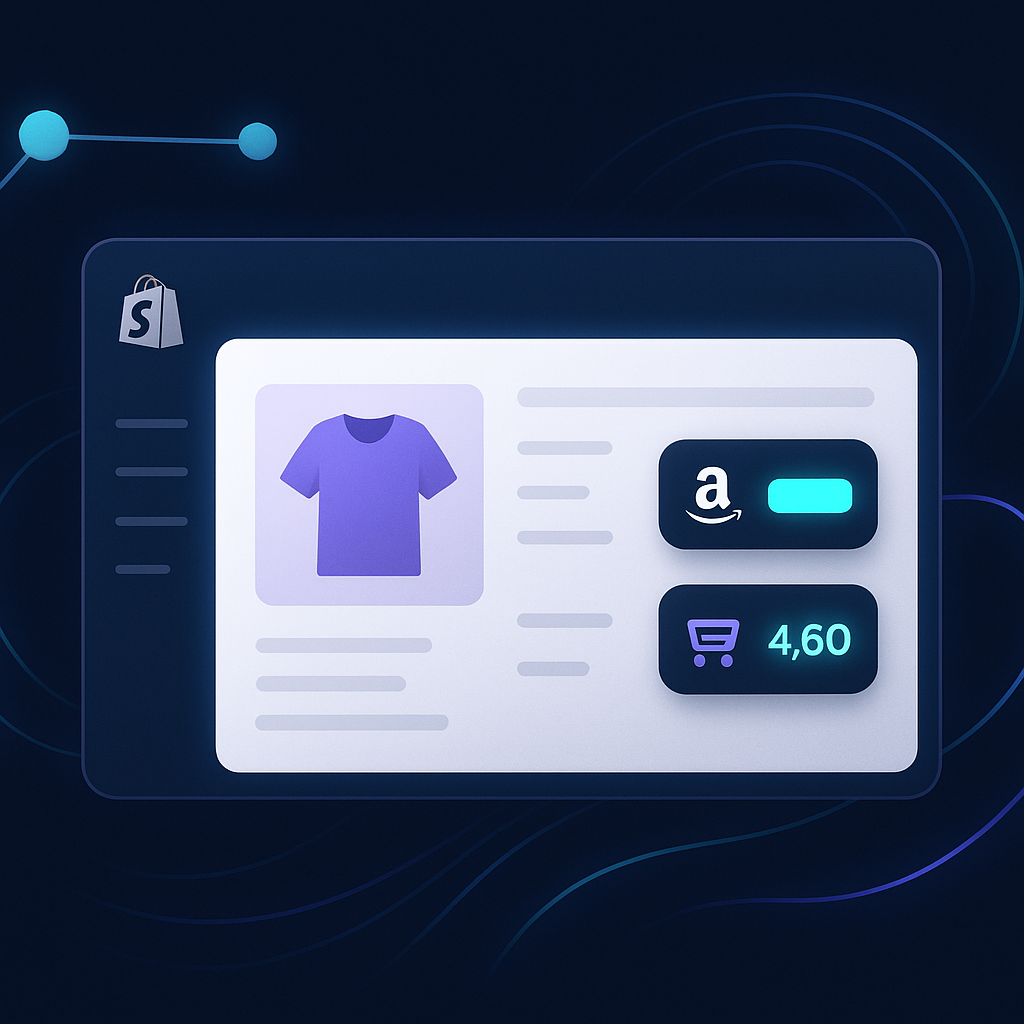
- PriceMole (Shopify app): Positions itself to save “hundreds of hours manually checking and repricing.” It tracks competitor prices and availability, monitors channels like Google Shopping and Amazon, and offers AI dynamic pricing.
The workflow is simple: connect your products, tell the tool which competitors to watch, set your rules (never below cost, always within X% of a rival, protect key SKUs), and let it monitor around the clock. When a competitor moves, you get alerted — or the price adjusts automatically inside your guardrails.
That is the whole principle behind automating everything: you define the rules once, the software executes them forever. No new hire. No missed changes at 2 a.m.
Automate — But Keep It Fair and Transparent
Here is where a balanced approach beats a race to the bottom. Shoppers notice pricing games. Gartner’s October 2024 survey found 68% of US consumers feel taken advantage of by dynamic pricing, 80% trust brands with consistent pricing more, and 42% say they’d spend more if consistency were guaranteed.
But transparency flips this. A 2022 Statista survey found 60% of online shoppers were fine with fluctuating prices — as long as the changes were transparent. So set floors, avoid whiplash pricing on the same customer, and be clear about promotions.
There’s a regulatory reason too. Watchdogs worry algorithms could enable tacit collusion when many retailers use identical intermediaries. In 2024, the FTC issued 6(b) orders demanding transparency from eight pricing service providers. Choose tools that respect your rules and your customers — automation should protect your reputation, not risk it.

Where This Leaves You
Competitor price monitoring is one repetitive task that quietly drains time and margin from small online shops. The technology to hand it off is proven, affordable, and already built for Shopify. Set clear, fair rules, pick a monitoring tool, and reclaim the hours you’re losing to manual checks.
The same logic applies to bookings, follow-ups, and reporting across your whole business: if a task is repetitive and high-volume, software can watch it and act on it. Price monitoring is just a good place to start.
Ready to see this working in your business?
See how automation can watch this task for your shop